Sixty-seven down, 30 to go.
Scouting America historians Andrew Coe and Steve Miller are attempting to collect every staff list from the past 97 seasons at Camp Horseshoe, a Scouting America camp in Rising Sun, Maryland. They’ll be added to thousands of items already collected for the Horseshoe Scout Reservation Alumni Association (HSRAA) virtual museum.
“Opened” in 2008, the museum houses one of the largest collections of Scouting memorabilia on the East Coast.
They started the project to provide a central location for a few items. Now with about 13,500 photographs, staff rosters, newsletters, pictures and cups and more, Coe and Miller hope the collection inspires others to preserve the history of their camps and troops.
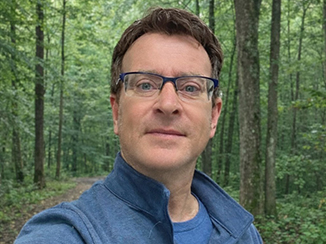
“For me, it’s leaving a little bit of a legacy for the camp and to get other people interested in history,” says Coe, the museum’s curator and webmaster.
Getting started
Tracking down those staff lists in time for Camp Horseshoe’s 100th anniversary in 2027 won’t be easy. But as Coe and Miller have discovered, persistence and a passion for the work often pays off. Somebody has an attic somewhere with a box of papers, and who knows? A staff list from 1932 might be in there as well as photographs, badges and more.
The duo used that persistence and passion when they first started the museum with about 2,000 pieces, collected the way you might assume — by asking around. They reached out to alumni, former camp staff members and longtime Scout leaders to contribute items tucked away in shoeboxes. The team also created a submission form on the museum’s website and solicited materials on social media.
When Camp Horseshoe began preparing for its centennial, the museum team realized they were missing historic staff lists. A simple online request brought quick results, filling major gaps in the collection. That pattern — identify a need, ask broadly and follow up personally — became a hallmark of the project.
More than 150 people have contributed to the collection. Some sent a single photo; others mailed entire boxes of slides and memorabilia. When received, items are photographed or scanned, then returned if possible, ensuring families can retain their keepsakes while still sharing them with the broader Scouting community.
“What began as a simple preservation effort has evolved into a comprehensive, highly organized digital archive,” says Miller, chairman of HSRAA.
Building the platform
In the beginning, the site was custom-built from scratch by volunteer Dave Woodward, who taught himself to write website code. As technology evolved and the collection grew, the team knew they needed a more sustainable solution.
They eventually migrated the museum to WordPress, a content management system that made the site more mobile-friendly and easier to maintain. The shift also ensured that future volunteers wouldn’t need advanced coding skills to keep the museum alive.
WordPress plug-ins enhanced the experience with searchable galleries, contributor tracking, interactive image displays and digital puzzles. The museum now includes curated “self-guided tours,” allowing visitors to explore topics such as camp geography, staff history, Cub Scouting connections and the Order of the Arrow lodge.
Telling stories, not just storing files
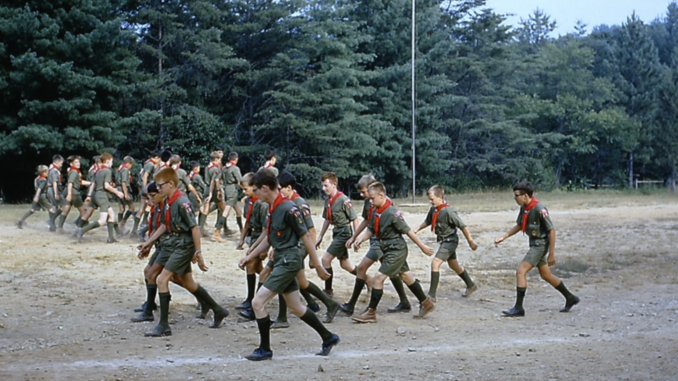
What makes the HSRAA virtual museum even more interesting is an emphasis on storytelling. Some exhibits feature video interviews with longtime Scouters sharing memories. That focus on tradition includes documenting Camp Horseshoe’s nightly retreat ceremony — a marching program dating back to the 1940s — complete with original instructions, photos and decades of trophy designs.
The HSRAA promotes the site through newsletters and social media, fundraising through annual dues, and installing physical historical markers around camp. Those markers include QR codes linking directly to relevant museum exhibits.
In addition to all those staff lists, Coe and Miller are also on the lookout for someone to carry on the work. They need somebody with a passion for history and some web content management skills.
“We have staff members now who constantly send me items from the past,” Coe says. “It makes us confident that the next generation will keep it going.”
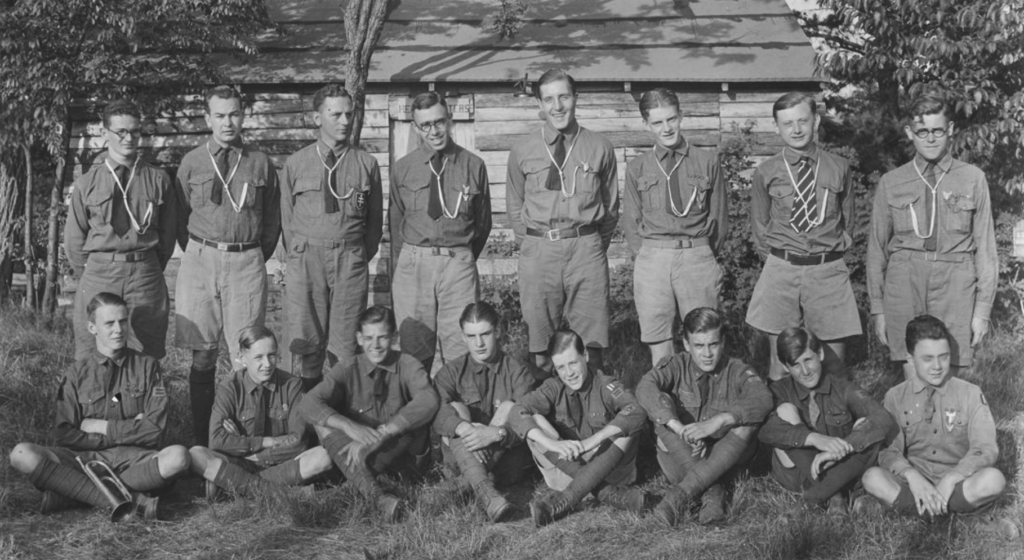
Rothrock Lodge staff, 1929. Photo: John B. Rettew III.
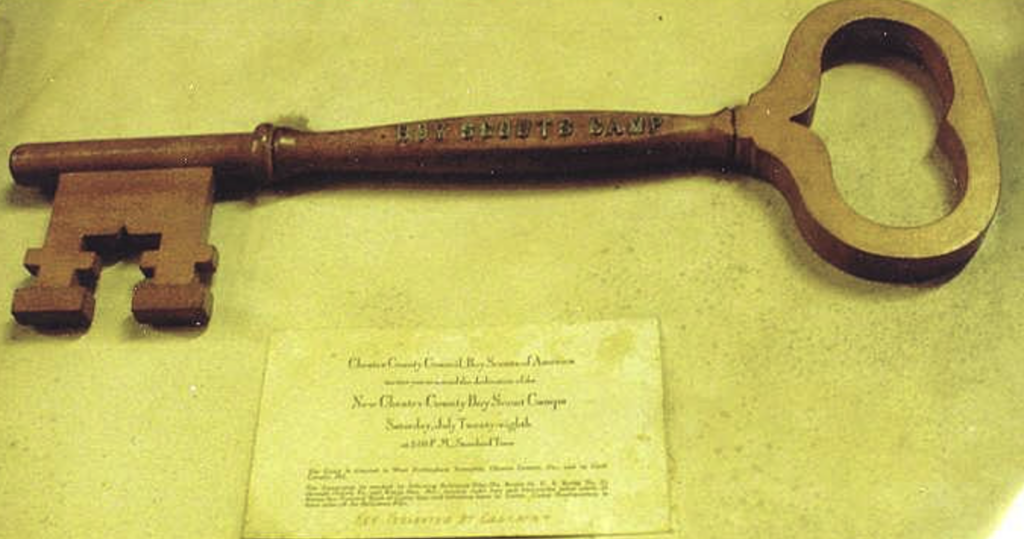
A key to camp, issued on July 28, 1928. Photo: John Rettew III.
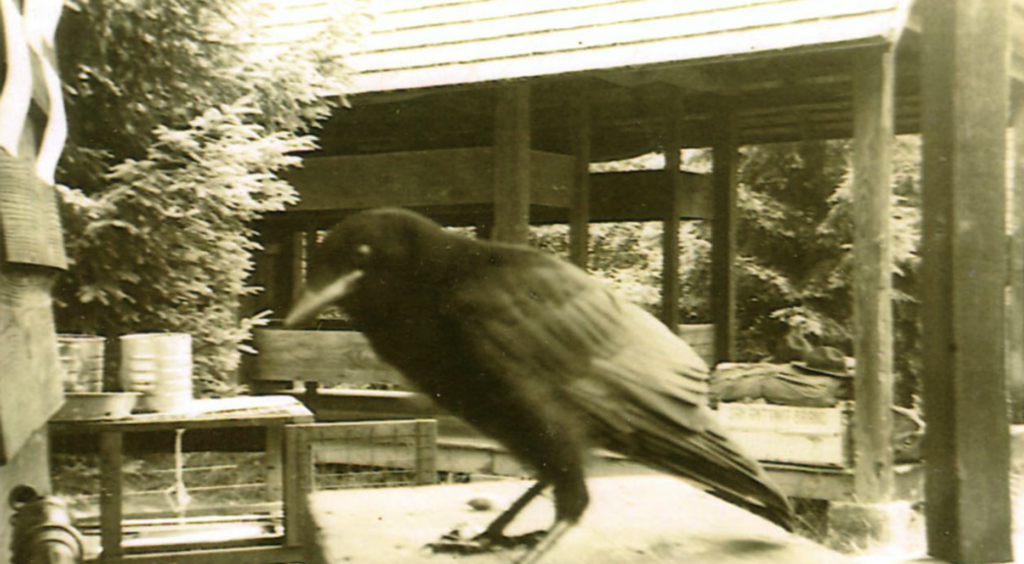
This crow was a pet of camp director Ernie Heegard in the late 1940s and early 1950s. Photo: Source unknown.