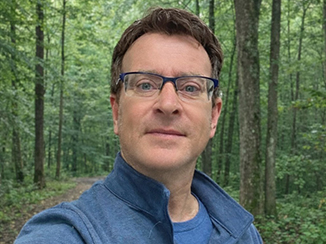
When Sean Magennis arrived at Philmont Scout Ranch to observe a Wood Badge course, he expected long days and a leadership experience.
He walked away with so much more. Magennis, Scouting America’s recently hired executive vice president of membership engagement, now enjoys a deep understanding of the passion and dedication of volunteers, something his team will use to drive membership recruitment and retention strategy for the organization.
“(The course) was amazing,” Magennis said. “How lucky we are to work alongside volunteers who pour energy, time and heart into the program every day.”
A proven expert in the nonprofit sector, Magennis most recently served as global president and chief operating officer for the Young Presidents’ Organization (YPO), which serves chief executives. There, he led the organization’s growth to more than 33,000 members across 138 countries. He oversaw member engagement, chapter and regional development, global events, networks and peer-learning forums.
That experience anchors a vision at Scouting America for the entire membership team, and the plan isn’t vague. It focuses on six core pillars. Magennis says growth and retention are the natural result of delivering consistently excellent experiences to youth, families, volunteers and councils. The six pillars are:
Membership Health: At its foundation, membership health means ensuring a polished, consistent, high-quality Scouting experience from the moment a new family walks through the door. “We have to have a highly professional, well-curated experience,” Magennis says. But membership health also includes strengthening the councils that deliver Scouting locally. With 235 councils of varying size and capacity, his team will focus on understanding what each council needs and ensuring they “get what they need when they need it — in a way that really excites and helps us delight our customers and keep them for their lifetime.”
Digital Growth Enablement: New families first encounter Scouting online, so Magennis says digital engagement is now essential. Scouting America’s recent campaigns on YouTube, Hulu and Disney+ represent a shift toward smarter, data-driven outreach supported by Google Ad Grants and digital tools that allow families to find local programs easily. Magennis says digital growth must be “bidirectional,” not just broadcasting the message, but also listening and responding.
Strategic Youth Partnerships: Rebuilding and expanding partnerships with faith-based organizations, youth-serving groups and corporations is another strategic priority. Beyond traditional partners, he sees enormous opportunity in collaborating with organizations that can support career exploration in areas like law enforcement, the military, tech and health care. “I operate out of a ‘big tent’ philosophy,” he says, describing Scouting as uniquely positioned to partner widely while still anchoring itself in its mission and values.
Multicultural Marketing: Reaching communities historically underserved by Scouting is essential to long-term growth. With the U.S. becoming increasingly multiethnic, Magennis stresses the importance of cultural competence and authentic engagement. Training councils and volunteers to understand the expectations and concerns of diverse families is just as important. This work is designed to “build inroads, competence and capability” across the country.
Alumni and NESA Engagement: Scouting has nearly 40 million alumni, including 1.8 million Eagle Scouts. The potential impact of activating them is enormous, Magennis says. The department’s goal is to reconnect alumni at every stage of life, from college students seeking networks to retirees entering their “second or third act” and eager to contribute their talent, experience or resources.
Outfitters: Often seen simply as Scout Shops, Magennis sees Outfitters as a powerful membership touchpoint, with 120 national stores and hundreds more operated locally. Magennis says these could be experiential hubs. During a recent visit, he watched families shopping for uniforms, exploring mini campsite displays and completing compass challenges. “There was a high degree of interaction, and there was a delight,” he said. Elevating Outfitters as a membership experience rather than just a store is key to his vision.
One of the most ambitious areas of growth lies in rebuilding and expanding Scouting America’s strategic partnerships, a natural connection between Scouting’s programs and industries looking to develop future leaders. Whether a young person is drawn to law enforcement, the military, technology, health care or engineering, Magennis says Scouting already has great access points. The membership team is determined to expand them dramatically.
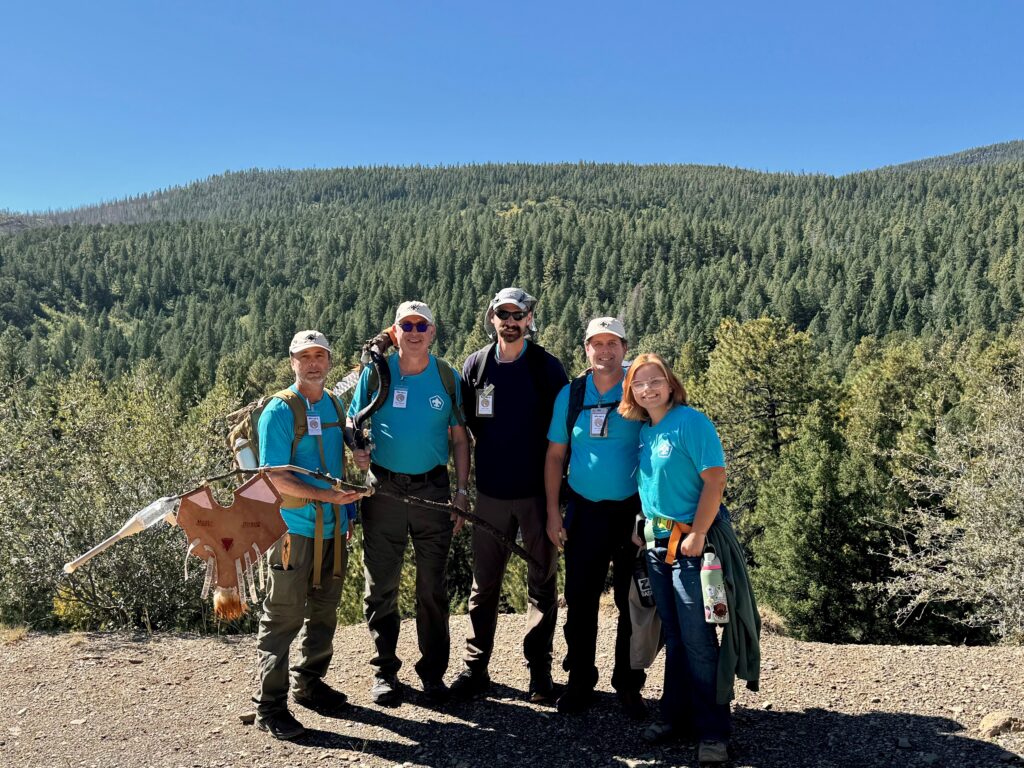
Another opportunity for added member value is collaboration rather than competition among youth-serving organizations. That openness is grounded in a sense of identity he considers unique. Already committed to the work to make Scouting America thrive and grow, a Wood Badge experience made Magennis even more passionate about the work ahead. He recalls a particular poignant moment when he helped organize an interdenominational service in the New Mexico backcountry. For him, it symbolized the best of Scouting as seven people of the 52 participating were from different faith groups.
“It was miraculous it — the emotion, the feeling, the depth of understanding,” he recalls. “It was the best of genuine inclusion rooted in shared values and mutual respect. That’s what I love about this organization. It’s unique. It’s still unique for us.”