By Kim Kulasekaran
Kim Kulasekaran is the committee chair of Pack 617 and Scoutmaster of Troop 617, both chartered to Josiah Quincy Elementary School Parent Council in Boston. A longtime special education teacher, she currently serves as assistant principal of William E. Carter School, a Boston public school that provides education for students ages 3-21 with significant multiple disabilities and complex medical needs.
How it started
The story of Pack 617 began in 2021 in the heart of Boston’s Bay Village during one of the most challenging times for families everywhere.
After 15 months of teaching students with significant disabilities through a laptop because of the COVID-19 pandemic, I yearned for community and fresh air. My sons were safe at home but not thriving. They were masked and isolated like so many other children.
A late-night Google search sparked an unexpected solution: camping. What began as a nine-week summer adventure quickly became a life-changing journey. Fresh air replaced screens. We sat by campfires and developed deeper connections. I wondered if there could be a curriculum for this. Then it hit me. There already is. It’s called Scouting America (then Boy Scouts of America). Rejuvenated, I returned to Boston with the idea to start a pack or troop.
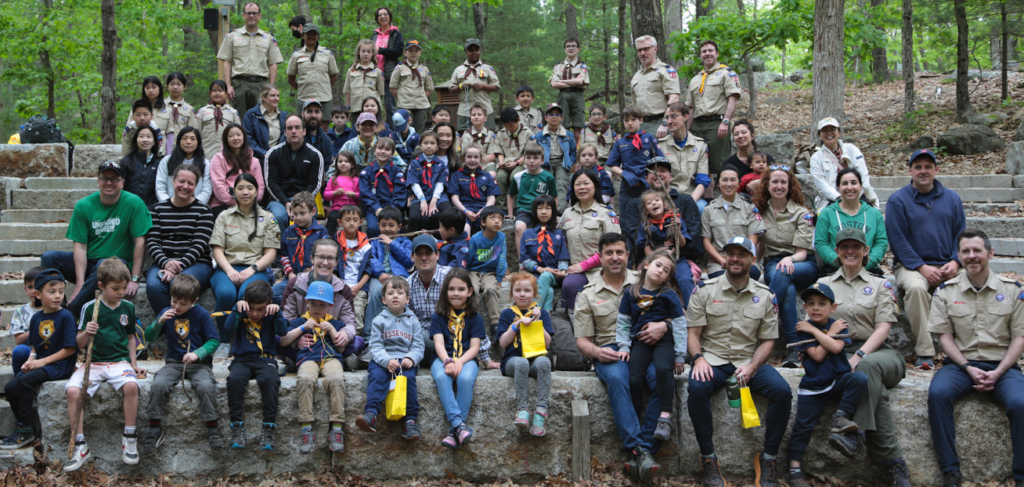
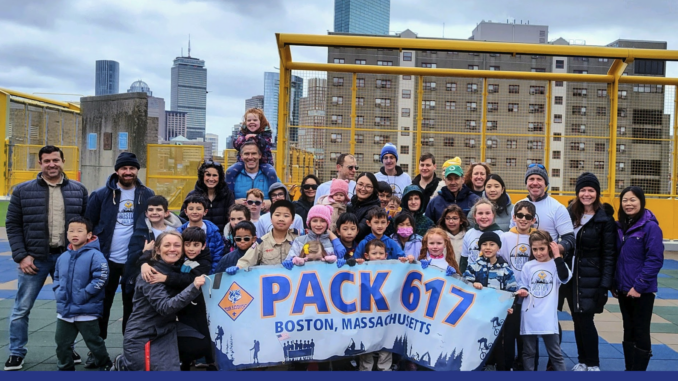
Just an idea in 2021, Pack 617 blossomed into the vibrant, sustainable community of about 100 registered Cub Scouts and leaders it is today. Here’s how we did it.
Step 1: Know your purpose
Know why you’re starting, and make it about connection and service, not just membership numbers.
The foundation of Pack 617 was built on friendship, shared values and community alignment. Retention has flourished because we offer connection, purpose and fun. Scouts learn practical life skills, from cooking over a fire to acts of service in the community, among many others.
Step 2: Build with friends
Surround yourself with people who share your values. The right partners make growth natural.
When I first thought about the possibility, I shared the idea with some of my friends, including Dr. Carl Harper, a Boston-area orthopedic surgeon. And wouldn’t you know it? Dr. Harper is an Eagle Scout.
I discovered that many more of my closest friends are involved in Scouting America, and a surprising number are Eagle Scouts. With their encouragement and the support of Josiah Quincy Elementary School principal Cynthia Soo Hoo, the idea took shape — and grew.
Step 3: Be purposeful with growth
We have tried to be purposeful with our growth. After the first year, which essentially gave us a benchmark, we have relied more upon word of mouth and local family recruitment as opposed to a true dedicated recruitment strategy.
We have the good fortune to be in a population-dense urban area, and participation has been able to grow organically. In that first year, we reached about 50 members. Since then, we’ve added approximately 15 members per year.
Now in our fourth year, we have been much more tactical about Scout participation, admitting new Scouts provided they come with a commitment from a family member to be a den leader or occupy a specific role within the organization structure.
Step 4: Distribute leadership
Don’t do it alone. Empower others. Shared ownership sustains momentum.
Those early meetings weren’t just organizational — they were transformative. They planted the seeds for a culture of distributed leadership, where every parent and volunteer had a role in shaping the program’s success.
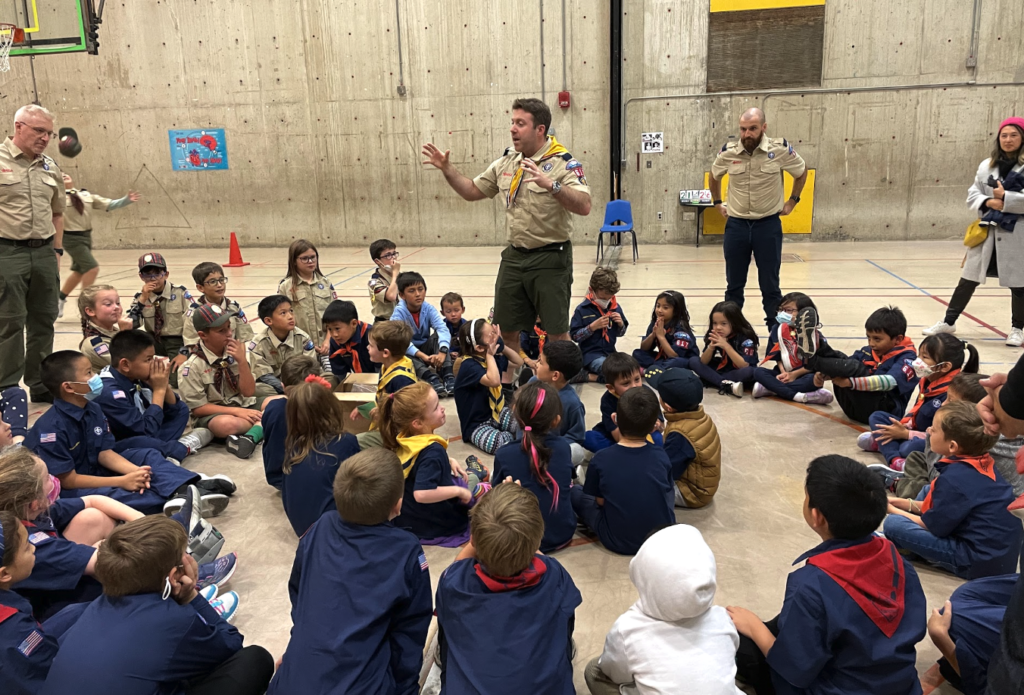
Our pack operates with five assistant Cubmasters and a distributed leadership model that allows for collaboration, creativity and ownership among volunteers. Together, they host eight major events each year, ensuring that Scouting remains dynamic, exciting and family-centered.
Step 5: Don’t forget the fun
One of our first outings was a trip to see the lights at Franklin Park Zoo. This gave the Scouts and leaders the opportunity to do something outside and engage with nature within an urban environment. Our first overnight adventure was a crossover campout, even though our Scouts weren’t old enough to join a troop. This was the first time many Scouts (or their families) had spent meaningful time in a forest, not to mention sleep under the stars. This was a magical moment! To see the joy on the faces of the Scouts, parents and siblings convinced us we were doing something right.
Step 6: Align with the community
Partner with schools and organizations whose missions complement Scouting America’s.
Josiah Quincy Elementary School provided not only a home base but also a shared mission of developing globally minded, service-oriented youth. Early momentum came from simple but powerful principles: outdoor adventures, inclusive family events and a strong sense of purpose. The “campfire pitch” that began among friends soon spread through neighborhoods and schools, inspiring other families to join.
I remember a great open house where we organized fun activities for the Scouts and printed instructions for parents on how to get involved. This was well attended and helped with our community outreach. In subsequent years, we held pancake breakfasts, and we combined fundraisers with information sessions. Today, most of our recruitment has pivoted to word of mouth.
Step 7: Lead with joy
When families see that Scouting brings happiness and belonging, they’ll stay. And they’ll bring others.
They build lasting friendships across schools and neighborhoods. Families stay because they see the joy and growth in their children, and leaders stay because they’re part of something meaningful.
This is more than a group of Scouts. It’s a thriving community of service and joy.